
holavocab

Mil

Mil

Today’s Spanish word of the day is “mil.” It means “thousand” and can be used as an adjective or noun. Some examples of its use as an adjective include “mil personas” (“a thousand people”) and “mil euros” (“a thousand euros”). When used as a noun, it doesn’t require an indefinite pronoun, unlike in English. For […]

Mil Read More »

Dejar

Dejar

Today’s Spanish word of the day is “dejar.” It’s a verb that can mean “to leave” or “to let” (in the sense of “to allow”). It can also mean “to stop” in expressions such as “dejar de” (to stop doing something), for example “dejé de fumar” (I stopped smoking). It’s thought that the word “dejar”

Dejar Read More »

Primero

Primero

Today’s Spanish word of the day is “primero.” It’s an adjective meaning “first”. When used before a singular masculine noun, it loses the final o and becomes just “primer”, for example “el primer capítulo” (the first chapter). The word “primero” comes from the Latin primarius, meaning “first” or “primary”. Some English words from this root

Primero Read More »

Personal

Personal

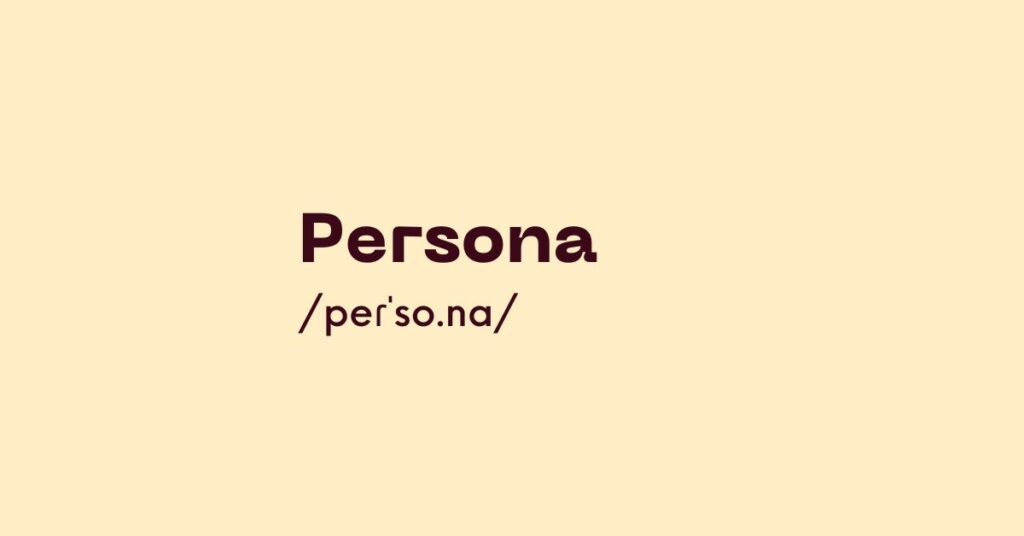
Today’s Spanish word of the day is “personal.” It can be used as an adjective meaning “personal”, or as a masculine noun meaning “staff” or “personnel”. Although it’s written identically to the English word “personal”, Spanish “personal” is pronounced quite differently, with pure e and a vowels and the stress on the final syllable. In

Personal Read More »

Dormir

Dormir

Today’s Spanish word of the day is “dormir.” It’s a verb meaning “to sleep.” The reflexive form “dormirse” can mean “to fall asleep.” For example: The word “dormir” comes from Latin dormire, meaning “to sleep”. This is also the root of several English words related to sleep, including “dormant” and “dormitory”. “Dormir” is an irregular

Dormir Read More »

Hotel

Hotel

Today’s Spanish word of the day is “hotel”. Unsurprisingly, it means “hotel”! It’s pronounced a bit differently in Spanish to in English though, with a silent h, a shorter o, and a soft t. Both English and Spanish “hotel” come from the French word hôtel, which originally meant a palace or large house before acquiring

Hotel Read More »

Trabajo

Trabajo

Today’s Spanish word of the day is “trabajo”. It’s a masculine noun meaning “work”, “job” or “labor”. It can also be used to refer to an individual assignment or task. The word “trabajo” comes from the verb “trabajar”, meaning “to work”. The etymology of “trabajar” is contested, but the most common theory is that it

Trabajo Read More »

Paz

Paz

Today’s Spanish word of the day is “paz”. It’s a feminine noun meaning “peace”. Unlike in English where the word “peace” is usually used without the definite article “the”, in Spanish it is common to use the definite article. When talking about the concept of peace in general, you would refer to it as “la

Paz Read More »

Realmente

Realmente

Today’s Spanish word of the day is “realmente”. It’s an adverb meaning “really” or “actually”. You might have noticed that a lot of English adverbs that end in -ly end in -mente in Spanish. The -ly ending in English has Germanic roots, while the -mente ending comes from Latin. Here are a few other examples:

Realmente Read More »

Cualquier

Cualquiera

Today’s Spanish word of the day is “cualquiera”. It’s usually used as an indefinite pronoun meaning “any”, “anyone”, “anybody”, “whichever” or “whoever”. When used before a noun, the word is shortened to “cualquier”, for example “cualquier lugar” (“any place”). The word “cualquiera” was formed by combining the words “cual” (“which”) and “quiera”, which is a

Cualquiera Read More »