Words

Palabra

Palabra

Today’s Spanish word of the day is “palabra”. It’s a feminine noun meaning “word”. Like English “word”, you can use “palabra” figuratively to refer to a promise or commitment, for example: The word “palabra” comes from Latin parabola, meaning “comparison” or “parable”. This is also the root of the English words “parable”, “parabola” and “palaver”. […]

Palabra Read More »

Oír

Oír

Today’s Spanish word of the day is “oír”. It’s a verb meaning “to hear”. It can also be translated as “to listen”, though the verb “escuchar” is more commonly used to refer to actively listening as opposed to merely hearing. In many Spanish-speaking countries it’s common for people to use the imperative form “oye” to

Oír Read More »

Hablar

Hablar

Today’s Spanish word of the day is “hablar”. It’s a verb meaning “to speak” or “to talk”. The word “hablar” comes from Latin fabulari, meaning “to talk” or “to chat”. This Latin verb came from the Latin word fabula (“tale”), from which we get the words “fable”, “fabulous” and “confabulation”. “Hablar” is one of the

Hablar Read More »

Comer

Comer

Today’s Spanish word of the day is “comer”. It’s a verb meaning “to eat”. In Spain and Mexico, it can also be translated as “to have lunch”, since the related word “comida” (“food”) also means “lunch” in those countries. The word “comer” comes from Latin comedere, which also meant “to eat” or “to consume”. “Comer”

Comer Read More »

Qué

Qué

Today’s Spanish word of the day is “qué”. It’s an interrogative pronoun and adjective meaning “what”. “Qué” can be used in questions to ask about something specific, for example: Like the English word “what”, it can also be used in exclamatory expressions to emphasize something, for example: Some common Spanish phrases using the word “qué”

Qué Read More »

Novio

Novio, Novia

Today’s Spanish word of the day is a two for one: “novio” and “novia”. “Novio” is a masculine noun meaning “boyfriend”, while “novia” is a feminine noun meaning “girlfriend”. These words can also be used to mean “groom” and “bride”, or “fiancé” depending on the context. According to the Real Academia Española, the words “novio”

Novio, Novia Read More »

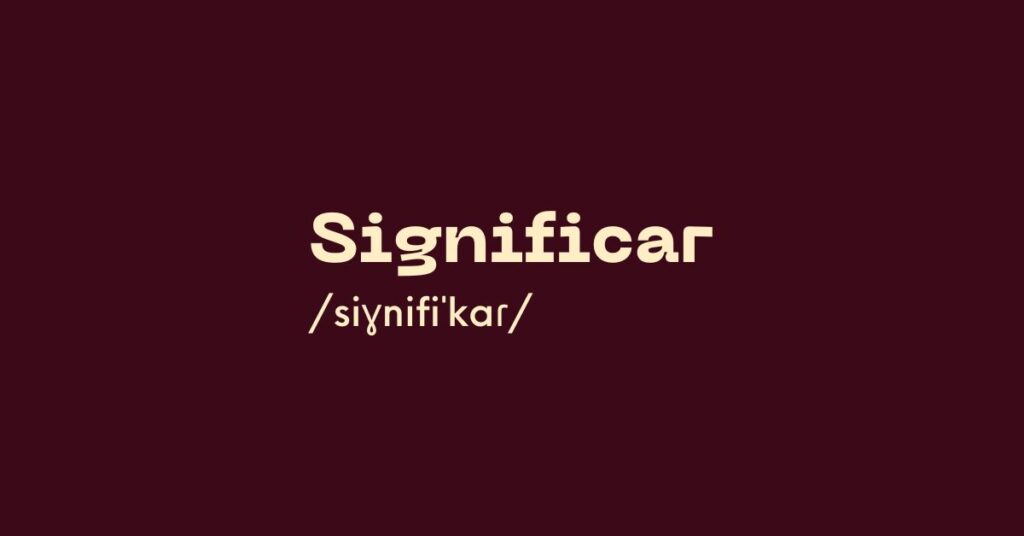
Significar

Significar

Today’s Spanish word of the day is “significar”. It’s a verb meaning “to mean” or “to signify”. The word “significar” comes from Latin significare, which also meant “to signify” and is the root of the English word “signify”. Some related English words include “sign” and “signal”. The verb “significar” is regular, so it’s conjugated the

Significar Read More »

Acuerdo

Acuerdo

Today’s Spanish word of the day is “acuerdo”. It’s a masculine noun meaning “agreement”, “understanding” or “accord”. “Acuerdo” is also the first-person singular form of the verb “acordar” (“to agree”). This might suggest that the correct way to say “I agree” in Spanish would be “yo acuerdo” or simply “acuerdo”. However, the verb “acordar” isn’t

Acuerdo Read More »

Tras

Tras

Today’s Spanish word of the day is “tras”. It’s a preposition meaning “after” or “behind”. It can be used to mean “after” when referring to the order in which things happen, for example: It can also be used to mean “behind” when describing where something is located, for example: The word “tras” comes from the

Tras Read More »

Dónde

Dónde

Today’s Spanish word of the day is “dónde”. It’s an adverb meaning “where”. When used in a question, it’s written with an accent (“dónde”), for example: This rule applies even if the question is an indirect question. This means referring to something that you don’t know the answer for, even if you’re not directly asking

Dónde Read More »