
holavocab

Extrañar

Extrañar

Today’s Spanish word of the day is “extrañar”. It’s a verb meaning “to miss”, in the sense of missing someone or something. In some contexts, it can also mean “to be surprised”. The word comes from Latin extraneus meaning “foreign” or “external”. This Latin word is also the root of several English words such as […]

Extrañar Read More »

Pelear

Today’s Spanish word of the day is “pelear”. It’s a verb meaning “to fight” or “to argue”. It comes from the word “pelo” (“hair”), presumably since if you get into a fight you might end up grabbing someone’s hair! “Pelear” is a regular verb that has the same conjugation pattern as other regular -ar verbs.

Pelear Read More »

Gente

Gente

Today’s Spanish word of the day is “gente”. It’s a feminine noun meaning “people”. The word “gente” is always feminine, regardless of the gender of the people you are talking about. The word comes from the Latin word gens meaning “tribe”, “nation” or “family”, which came from earlier words related to giving birth and bringing

Gente Read More »

Capitán

Capitán

Today’s Spanish word of the day is “capitán” in the masculine form, or “capitana” in the feminine form. It’s a noun meaning “captain”. It can be used to refer to captains in the army, the navy or in sports teams. Like the English word “captain”, it comes from late Latin capitaneus, which referred to a

Capitán Read More »

Spanish Words Related to Math

46 Spanish Words Related to Math

Here is a list of common Spanish words related to mathematics, numbers and calculations, with an example sentence for each. 1. Ángulo – Angle Example: Un triángulo rectángulo tiene un ángulo de 90 grados. – A right triangle has a 90-degree angle. 2. Área – Area Example: Calcula el área del rectángulo. – Calculate the

46 Spanish Words Related to Math Read More »

Cuánto

Cuánto

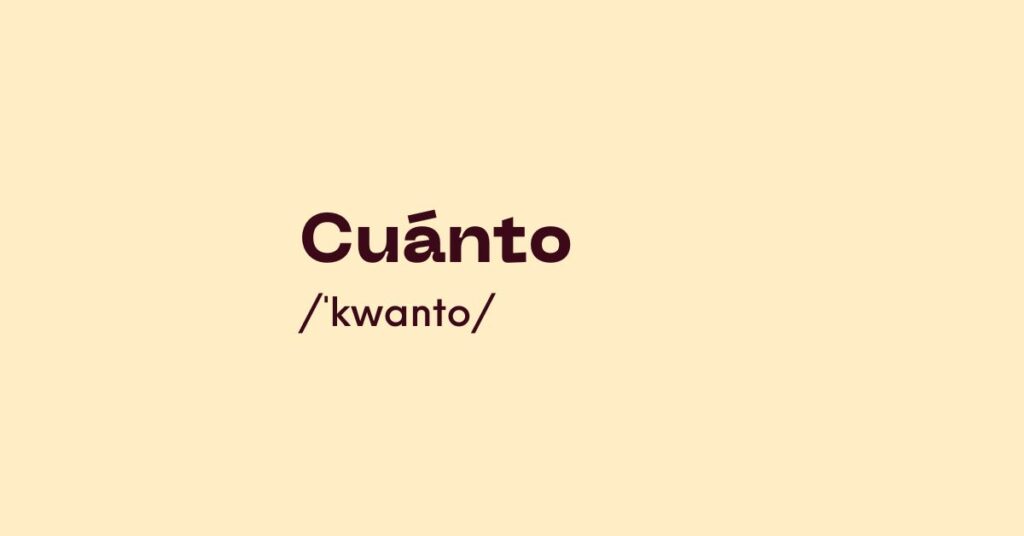
Today’s Spanish word of the day is “cuánto”. It can be used as an adverb, adjective or pronoun usually translating as “how much”. The plural, “cuántos”, translates as “how many”. It’s often one of the first words you learn in Spanish, since it’s used in phrases such as “¿Cuántos años tienes?” (“How old are you?”)

Cuánto Read More »

Gobierno

Gobierno

Today’s Spanish word of the day is “gobierno”. It’s a masculine noun meaning “government”. The related verb meaning “to govern” is “gobernar”. This word comes from Latin gubernare, which is also the root of the English words “to govern” and “government”. Example sentences El gobierno hizo un anuncio importante. The government made an important announcement.

Gobierno Read More »

Spanish Words for Family Members

34 Spanish Words for Family Members

Here is a list of common Spanish words for family members, with an example sentence for each. 1. Abuela – Grandmother Example: Mi abuela vive en el campo. – My grandmother lives in the countryside. 2. Abuelo – Grandfather Example: Mi abuelo cuenta historias interesantes. – My grandfather tells interesting stories. 3. Ahijada – Goddaughter

34 Spanish Words for Family Members Read More »

Pelo

Pelo

Today’s Spanish word of the day is “pelo”. It’s a masculine noun that usually translates as “hair”. When referring to animal hair, it can also be translated as “fur” or “coat”. When referring to fabric and materials, it can be translated as “down” (as in “down pillows”) or “pile” (as in “carpet pile”). The Spanish

Pelo Read More »

Lamentar

Lamentar

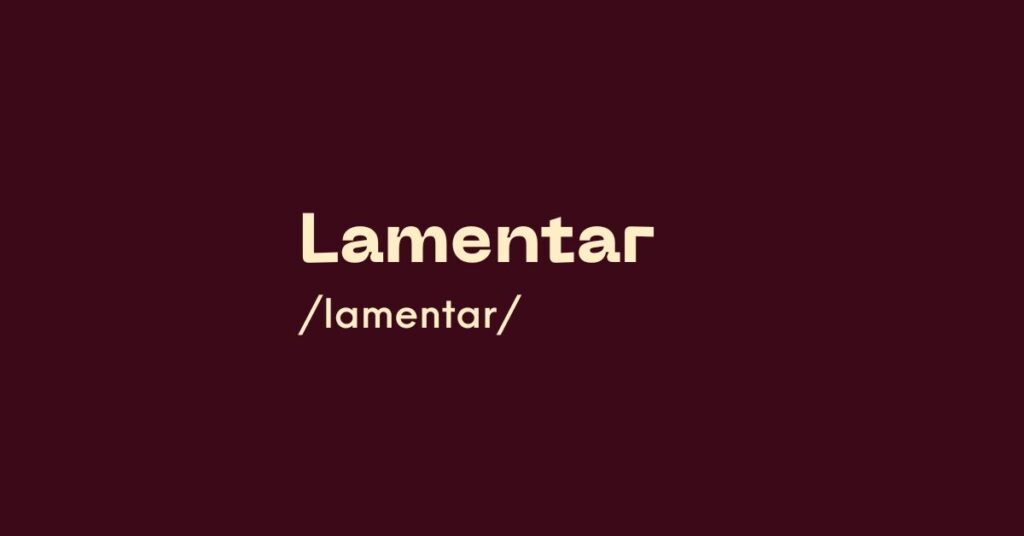
Today’s Spanish word of the day is “lamentar”. It’s a verb meaning “to regret”, “to be sorry about” or “to lament”. Like the English word “lament”, it comes from Latin lamentari (“to lament”). “Lamentar” is a regular verb that has the same conjugation pattern as other regular -ar verbs. Example sentences Lamento mucho tu pérdida.

Lamentar Read More »