

holavocab

Nuevo

Nuevo

Today’s Spanish word of the day is “nuevo” in the masculine form, or “nueva” in the feminine. It’s an adjective meaning “new”. It comes from Latin novus, the same root as several English words, including “novel”, “innovate” and “renovate”. Example sentences Compré un nuevo coche el mes pasado. I bought a new car last month. […]

Nuevo Read More »

Centro

Centro

Today’s Spanish word of the day is “centro”. It’s a masculine noun meaning “center”. It’s related to the English word “center”, as both come from Latin centrum, which originally referred to the central point of a compass used for geometry. Like in English, the word can refer to buildings and institutions, for example “centro comercial”,

Centro Read More »

Familia

Familia

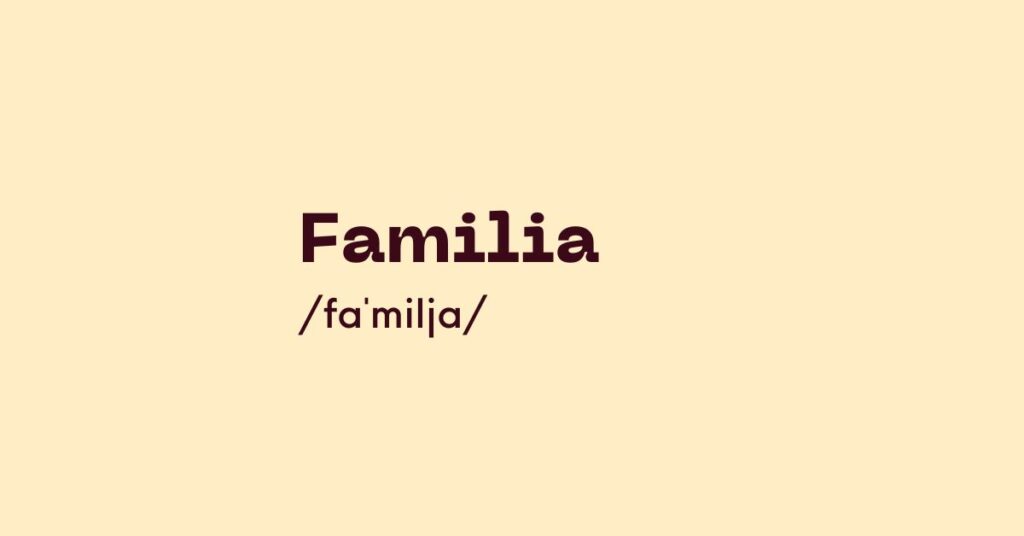
Today’s Spanish word of the day is “familia”. It’s a feminine noun meaning “family”. Both Spanish “familia” and English “family” come from the Latin word familia, which originally referred to the members of a household, whether they were related or not. Example sentences ¿Cómo está tu familia? How is your family? La familia es lo

Familia Read More »

Negocio

Negocio

Today’s Spanish word of the day is “negocio”. It’s a masculine noun meaning “business” or “deal”. The word “negocio” comes from Latin negotium meaning “lack of leisure”. Some common phrases involving the word “negocio” include: Example sentences Mi hermana abrió su propio negocio de pasteles. My sister started her own cake business. El negocio familiar

Negocio Read More »

Auto

Auto

Today’s Spanish word of the day is “auto”. It’s a masculine noun meaning “car”, and is short for “automóvil” (“automobile”). The word “auto” is used to mean “car” in the Southern Cone countries (Chile, Argentina and Uruguay). Other countries use other terms for “car”: In Spain they say “coche”, whereas in Mexico, Central America, Peru

Auto Read More »

Guerra

Guerra

Today’s Spanish word of the day is “guerra”. It’s a feminine noun meaning “war”. It comes from an old Germanic word werra meaning “disorder” or “fight”, making it related to the English word “war”. Example sentences La guerra civil dejó muchas cicatrices en el país. The civil war left many scars on the country. La

Guerra Read More »

Spanish Words Only Used in Spain

20 Spanish Words Only Used in Spain

Below is a list of Spanish words that are frequently used in Spain but rarely heard elsewhere, with an example sentence for each. 1. Botellón – Street drinking party The word “botellón” refers to an informal gathering of people (often teenagers) to drink alcohol in the streets. It doesn’t have an exact translation in English.

20 Spanish Words Only Used in Spain Read More »

Estúpido

Estúpido

Today’s Spanish word of the day is “estúpido” in the masculine form, or “estúpida” in the feminine form. It’s an adjective meaning “stupid” or “foolish”, and can also be used as a noun meaning “idiot”. The word “estúpido” comes from Latin stupidus, meaning “amazed” or “confounded”, which in turn derived from stupere, meaning “to be

Estúpido Read More »

Spanish Words Related to Gardening

26 Spanish Words Related to Gardening

Here is a list of common Spanish words related to gardening and plants, with an example sentence for each. 1. Abono – Compost/Manure/Fertilizer Example: Usamos abono orgánico para enriquecer la tierra. – We use organic compost to enrich the soil. 2. Brotes – Shoots/Buds Example: Los brotes verdes indican que la planta está sana. –

26 Spanish Words Related to Gardening Read More »

Pensar

Pensar

Today’s Spanish word of the day is “pensar”. It’s a verb meaning “to think”. The word “pensar” comes from Latin pensare, meaning “to weigh” or “to consider”, from which we also get the English word “pensive”. The phrase “pensar en” means “to think about”, for example: “Pensar que” means “to think that”, for example: “Pensar”

Pensar Read More »