
holavocab

Libro

Libro

Today’s Spanish word of the day is “libro.” It’s a masculine noun meaning “book.” The word “libro” comes from the Latin liber, which originally referred to the inner bark of trees, which was used as a writing surface before the invention of paper. Some related English words include “library” and “libretto” (the text of an […]

Libro Read More »

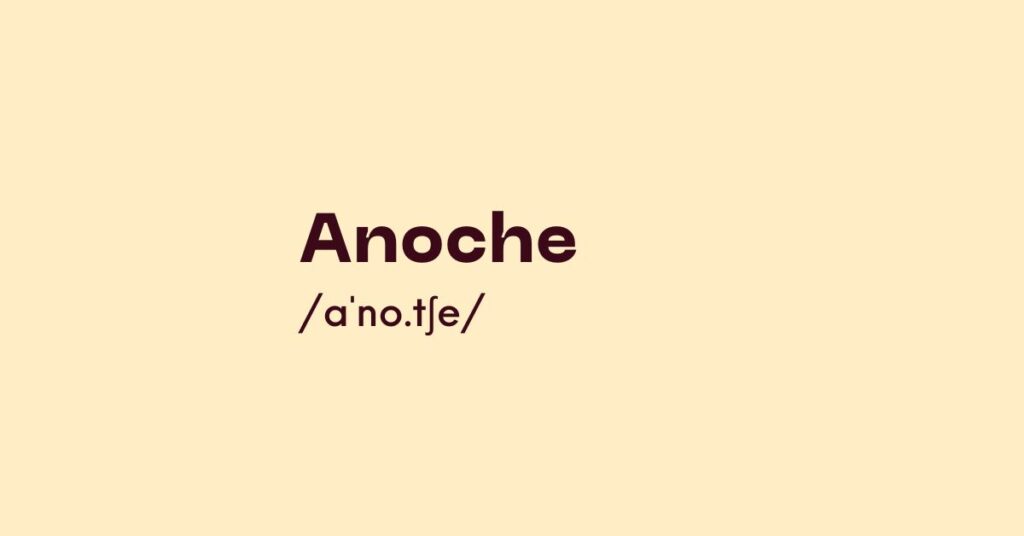
Anoche

Anoche

Today’s Spanish word of the day is “anoche.” It’s an adverb meaning “last night”. “Anoche” is used to refer to things that took place during the previous night. For example: Unlike in English, where “last night” is a phrase, in Spanish, “anoche” is a single word. The word “anoche” is thought to come from the

Anoche Read More »

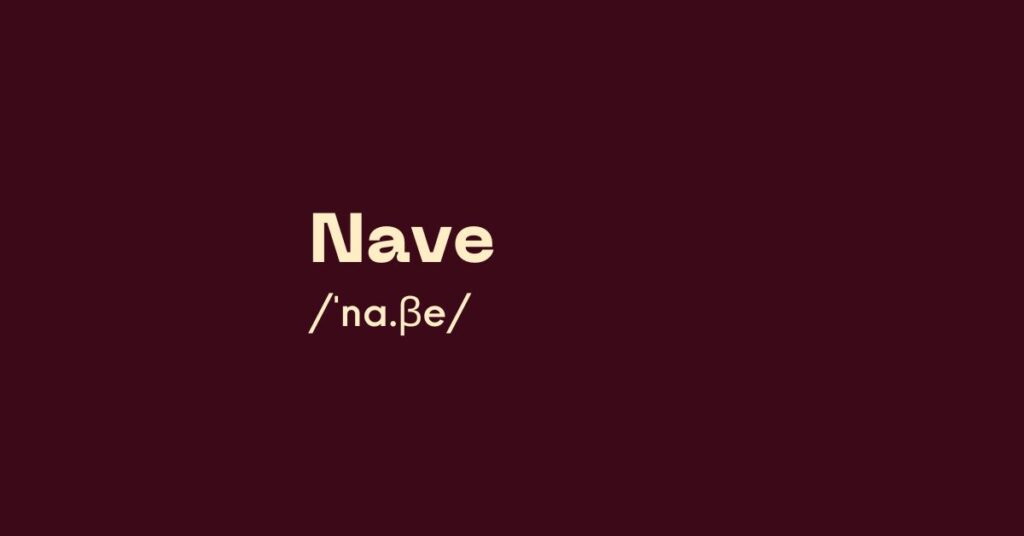
Nave

Nave

Today’s Spanish word of the day is “nave.”It’s a feminine noun that usually means “ship” or “vessel”, but in some contexts can also mean “building”, “hall” or “nave” (in a church). The word “nave” comes from the Latin navis, which also meant “ship.” Some English words from this root include “navy”, “navigate” and “nave”. The

Nave Read More »

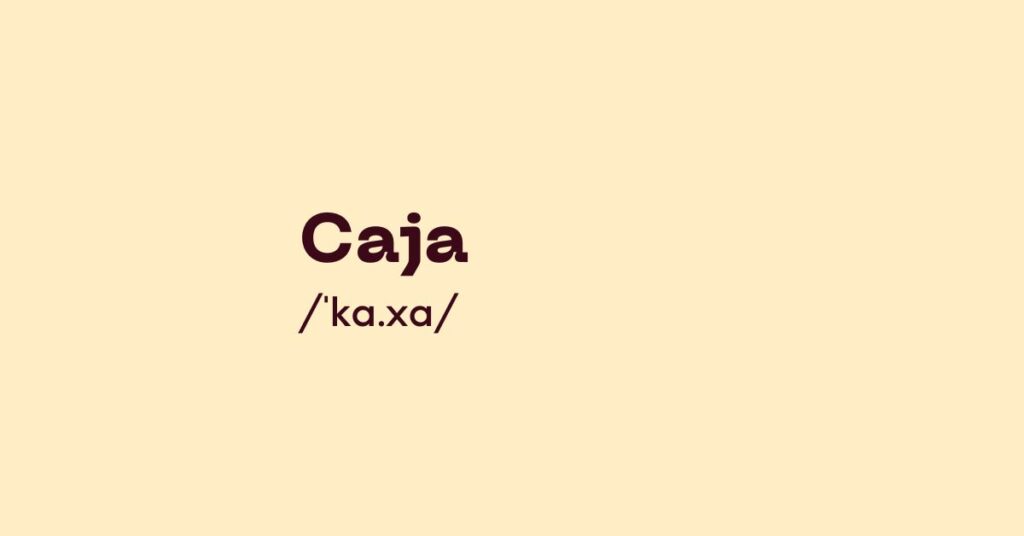
Caja

Caja

Today’s Spanish word of the day is “caja”. It’s a feminine noun meaning “box” or “crate”. The word can also refer to the place where you pay in a shop or other establishment, and can translate as “cash register”, “checkout”, “counter” or “till”. One related Spanish word is the verb “encajar”, meaning “to fit”. This

Caja Read More »

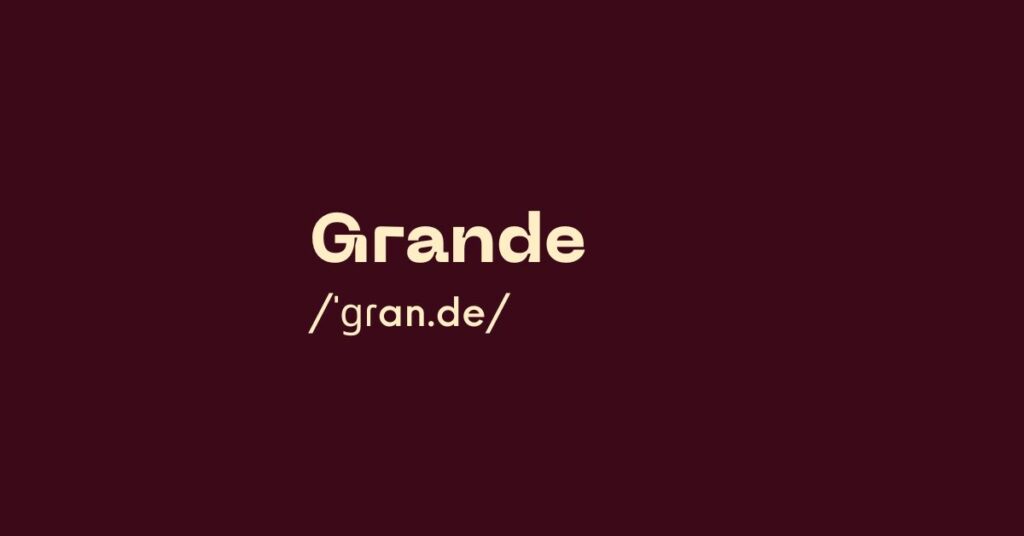
Grande

Grande

Today’s Spanish word of the day is “grande”. It’s an adjective meaning “big” or “large”. As you probably know, the standard way to use adjectives in Spanish is after the noun, for example “una casa grande” means “a big house”. However, it’s often also possible to use an adjective before a noun, though this can

Grande Read More »

Pagar

Pagar

Today’s Spanish word of the day is “pagar”. It’s a verb meaning “to pay”. Depending on the context, it can also translate as “to pay off”, “to repay” or “to pay for”. The word comes from Latin pacare, which meant “to pacify”. This is also the root of the English word “pay”, which came into

Pagar Read More »

Bonito

Bonito

Today’s Spanish word of the day is “bonito” in the masculine form, or “bonita” in the feminine form. It’s an adjective meaning “pretty”, “beautiful” or “lovely”. The word “bonito” was formed by adding a diminutive “-ito” ending to the word “bueno” (“good”), which derives from Latin bonus. Confusingly, “bonito” is also a type of fish

Bonito Read More »

Aquí

Aquí

Today’s Spanish word of the day is “aquí”. It’s an adverb meaning “here”. It can also mean “now” in phrases such as “de aquí en adelante” (“from now on”). Confusingly, Spanish has two very similar words for “here”: “aquí” and “acá”. The usage of both words overlaps substantially, but “aquí” tends to be used more

Aquí Read More »

Amigo

Amigo

Today’s Spanish word of the day is “amigo” in the masculine form, or “amiga” in the feminine form. It’s can be used as a noun meaning “friend” or an adjective meaning “friendly”. It comes from the Latin word amicus, which also meant “friend” and is the root of several English words including “amicable”. The word

Amigo Read More »

Durar

Today’s Spanish word of the day is “durar”. It’s a verb usually meaning “to last”. It comes from the Latin word durus, meaning “hard”. This is also the root of the English word “durable”. Physical objects that last a long time tend to be hard and durable, so it makes sense that the word “durar”

Durar Read More »