
holavocab

“Fake” Spanish Words and Phrases Native Speakers Don't Use

“Fake” Spanish Words and Phrases Native Speakers Don’t Use

In English, people sometimes use words or phrases that sound Spanish, but that either don’t exist or are rarely or never used by native Spanish speakers. Here are a few of the most common examples: 1. Correctamundo This made-up word is sometimes used by English speakers to mean “correct” or “exactly”. It doesn’t actually exist […]

“Fake” Spanish Words and Phrases Native Speakers Don’t Use Read More »
Izquierda

Izquierda

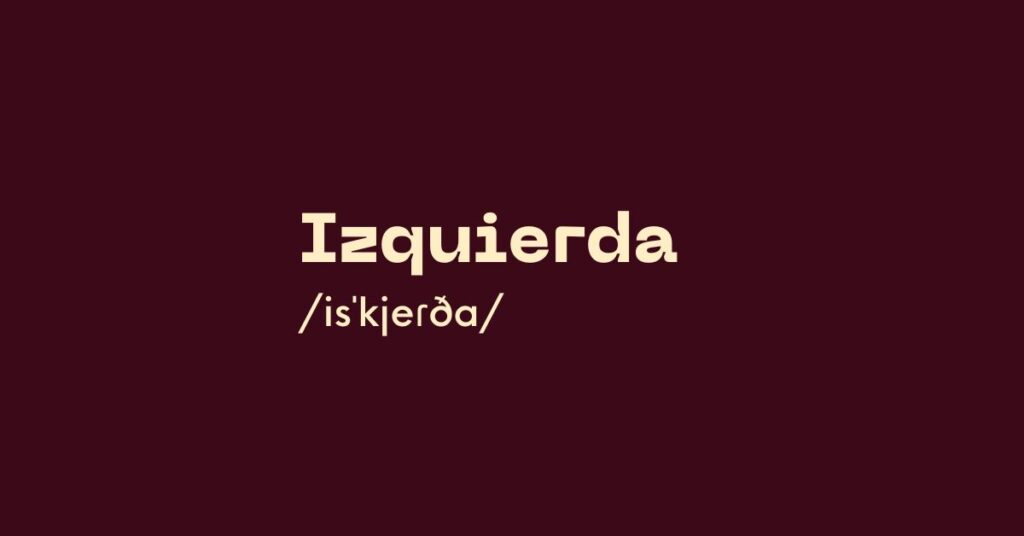
Today’s Spanish word of the day is “izquierda”. It’s a feminine noun meaning “left” or “left hand”. It can also be used as an adjective (“izquierda” in the feminine form and “izquierdo” in the masculine form), also translating as “left”. The word comes from Basque ezkerra, meaning “left”. Basque is a unique language spoken in

Izquierda Read More »

Pena

Pena

Today’s Spanish word of the day is “pena”. It’s a feminine noun that can have a range of meanings including “pity”, “shame”, “sorrow”, “trouble” and “sentence” (in the legal sense). It’s commonly used in the phrasal verb “valer la pena”, meaning “to be worth [it]”, for example: Another common usage is the phrase “dar pena”

Pena Read More »

Par

Par

Today’s Spanish word of the day is “par”. It’s a masculine noun that usually translates as “pair” or “couple”. It can also translate as the identically spelled English word “par” when it’s used to describe something being under, over, or at par with something else. The word “par” comes from Latin par, meaning “equal”. This

Par Read More »

Vale

Vale

Today’s Spanish word of the day is “vale”. It’s an interjection that’s very common in Spain (but not so much in Latin America), and translates as “okay”. Originally, “vale” was used as a way of saying goodbye. It comes from Latin vale, which meant something like “be healthy”. However, these days it’s almost always used

Vale Read More »

33 Spanish Words for Hobbies

Here is a list of common Spanish words for hobbies, with an example sentence for each. 1. Acampar – To camp Example: Nos encanta acampar cerca del lago. – We love camping near the lake. 2. Afición – Interest/Hobby Example: Tiene una gran afición por la fotografía. – He has a strong interest in photography.

33 Spanish Words for Hobbies Read More »

Médico

Médico

Today’s Spanish word of the day is “médico” in the masculine form, or “médica” in the feminine form. It can be used as either a noun meaning “doctor”, or an adjective meaning “medical”. The word “doctor/doctora” also exists in Spanish, but “medico/médica” is more commonly used to refer to medical doctors. The word “medico” comes

Médico Read More »

Sitio

Sitio

Today’s Spanish word of the day is “escuchar”. Today’s Spanish word of the day is “sitio”. It’s a masculine noun meaning “place”. It can also mean “space” or “room” in phrases such as “¿Hay sitio?” (“Is there space/room?”). Like the English word “site”, it comes from the Latin word situs, meaning “situation” or “position”. In

Sitio Read More »

Escuchar

Escuchar

Today’s Spanish word of the day is “escuchar”. It’s a verb usually translated as “to listen to”, though it can also be translated as “to hear” in some contexts. Like the distinction between “to listen to” and “to hear” in English, there’s usually a distinction between the verbs “escuchar” and “oír” in Spanish. “Oír” means

Escuchar Read More »

Cosa

Cosa

Today’s Spanish word of the day is “cosa”. It’s a feminine noun meaning “thing”. It comes from the Latin word cause, meaning “cause” or “reason”, which is also the root of the English word “cause”. Example sentences Hay cosas que no se explican. There are things that can’t be explained. A veces, una cosa lleva

Cosa Read More »