

holavocab

Vuelta

Vuelta

Today’s Spanish word of the day is “vuelta”. It’s a feminine noun that means “turn”, as in turning a corner, but is also used in a lot of different idiomatic expressions to mean different things including “back”, “return” and “around”. Here are a few of the different ways the word “vuelta” can be used: The […]


Vuelta Read More »

Profesor

Profesor

Today’s Spanish word of the day is “profesor” in the masculine form, or “profesora” in the feminine form. It’s a noun that usually translates as “teacher”, though it can sometimes be used to refer to university professors and lecturers. However, the standard word for a university professor is “catedrático” (male) or “catedrática” (female), while the

Profesor Read More »

Información

Información

Today’s Spanish word of the day is “información”. It’s a feminine noun meaning “information”, though it can also translate as “news” in some contexts. It’s one of the many Spanish nouns ending in -ción that are identical (or nearly identical) to their English counterparts except for the change from English -tion to Spanish –ción. A

Información Read More »

Detrás

Detrás

Today’s Spanish word of the day is “detrás”. It’s an adverb meaning “behind”. It’s usually followed by the preposition “de” (literally meaning “of” or “from”), for example: The word “detrás” was formed by combining the Latin prepositions de (“from”) and trans (“across” or “over”). Example sentences Se escondió detrás de la cortina. He/She hid behind

Detrás Read More »

También

También

Today’s Spanish word of the day is “también”. It’s an adverb meaning “also”, “too”, or “as well”. Its opposite is “tampoco”, meaning “neither”. The word “también” is a compound word formed by combining the Spanish words “tan” (“so much”) and “bien” (“well”). These words can still be used separately to mean “as well as” when

También Read More »

Traer

Today’s Spanish word of the day is “traer”. It’s a verb meaning “to bring”. The word “traer” comes from Latin trahere, which meant “to pull” or “to drag”. This is the same root that gave us English words like “tractor”, “traction”, and “trail”. “Traer” is an irregular verb in the present tense, and a “go”

Traer Read More »

Nunca

Nunca

Today’s Spanish word of the day is “nunca”. It’s an adverb meaning “never”. It’s used in a similar way to the English word “never”, and can be compared with the word “jamás” (also meaning “never”) for extra emphasis: The word “nunca” comes from Latin numquam, which meant something like “at no time” or “by no

Nunca Read More »

Habitación

Habitación

Today’s Spanish word of the day is “habitación”. It’s a feminine noun meaning “room”, especially a bedroom or hotel room. Other related words include: “Habitación” is more formal than these alternatives, and often used in written or polite contexts. The word “habitación” comes from the Latin verb habitare, meaning “to inhabit”, which is also the

Habitación Read More »

Culpa

Culpa

Today’s Spanish word of the day is “culpa”. It’s a feminine noun meaning “blame”, “fault” or “guilt”. A common expression is “echar la culpa a alguien” (literally “to throw blame at someone”), which means “to blame someone”. Here’s an example of this usage: The phrase “tener la culpa” means “to be at fault”, for example:

Culpa Read More »

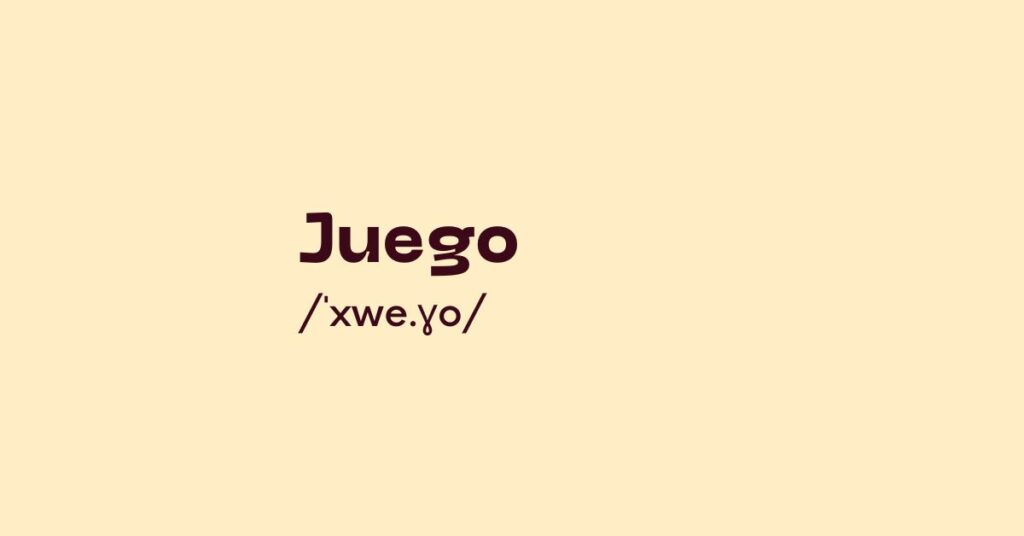
Juego

Juego

Today’s Spanish word of the day is “juego”. It’s a masculine noun meaning “game” or “play” (as in the act of playing). It can also be used to refer to rides and attractions at amusement parks. Interestingly, the word “juego” can also refer to a set of objects, for example a set of sheets or

Juego Read More »